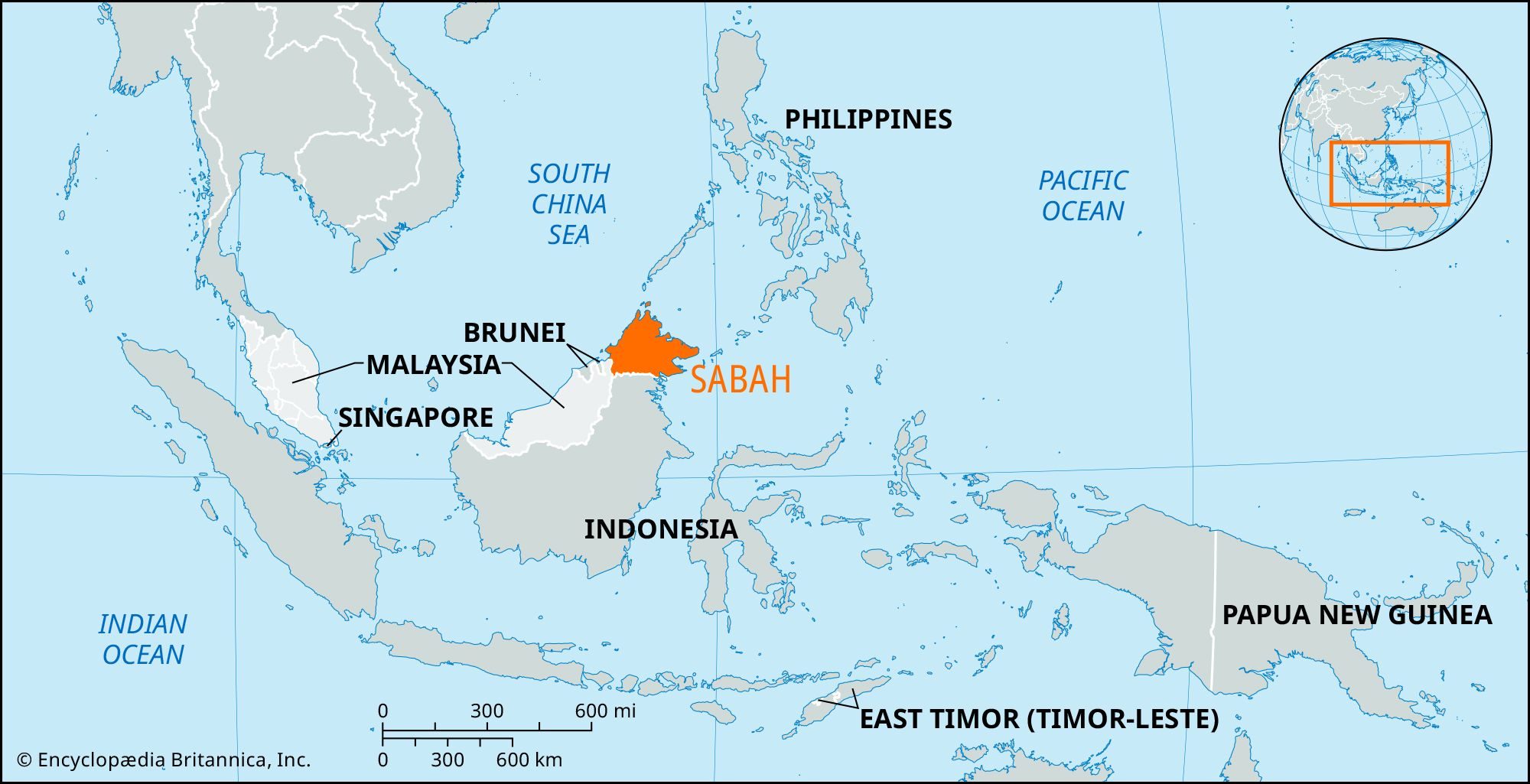
In MalariaWorld today there is a reference to a draft manuscript looking at a cost-effectiveness analysis in Malaysia. ‘Cost-effectiveness of outdoor residual spraying, insecticide-treated nets, and their combination for zoonotic malaria control in Sabah, Malaysia: a comparative analysis’ by Firdaus et al compared the supposed reduction in the number of cases based on cost for different insecticide application programmes.
The paper stated that the cost of no intervention was MYR 3,913, of LLIN – MYR 18,089, of ORS – MYR 30,507 and of ORS + LLIN – MYR 39,765 (Exchange rate (2025): 1 MYR (Malaysian Ringgit) = US$0.23). The effectiveness was estimated by comparing the number of reported cases for the three interventions for January-December 2023 with the baseline which was the number of cases reported for the test areas for 2020-2021.
However, in our opinion the study is very flawed because of the variation of the number of baseline cases. For ORS area baseline was 15 cases with just two reported in test period and this was reported as a reduction of 13 cases as a cost of MYR 2,046 each. For ORS + LLIN there were seven at baseline and one in test so the six-case reduction cost MYR 5,975 per case. For LLIN baseline was five and zero in test so the five-case reduction cost MYR 2,835 per case.
Another major flaw in the study is that the effectiveness of no intervention was not measured and was assumed to be zero reduction of cases from the baseline period. Clearly there were far more cases reported in 2020-21 baseline period (27 in three areas) than in 2023 (three cases in the three areas). It would not be surprising if the reduction in a no intervention area for the study period would be similar to the test areas and therefore much more cost-effective. And their observed result that either ORS or LLIN is more effectives than the two together makes no sense if the interventions are effective. The fact that both together cost more is not a surprising result if they have no effect on the occurrence of malaria.
There is a trend in recent articles that malaria programmes whether insecticide as reported here or vaccines as reported in March are cost ineffective for reducing malaria cases. It makes us question how well malaria researchers actually understand the real causes and treatments for malaria.