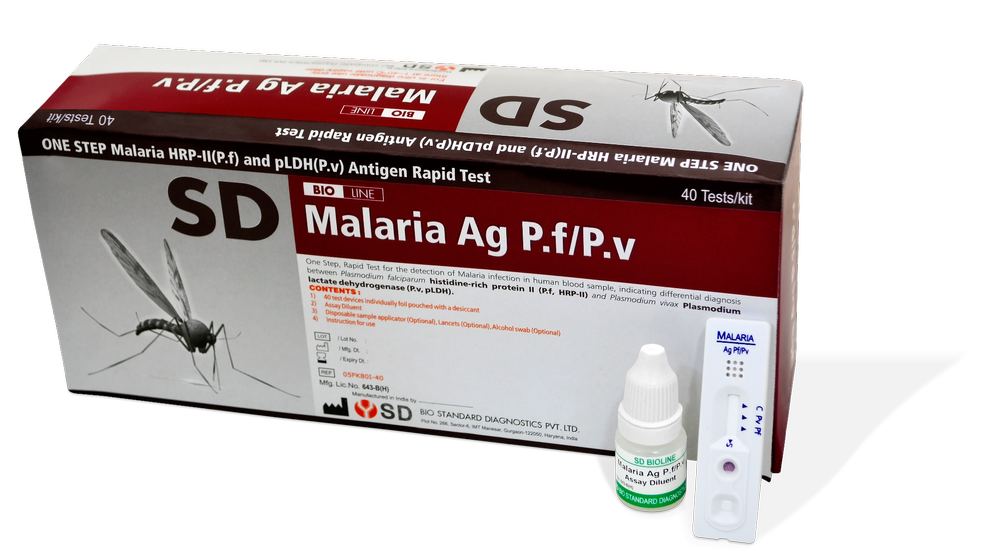
In MalariaWorld this week there is a discussion of the use of malaria rapid diagnostic tests (RDTs) in Republic of Congo. ‘Low practical knowledge but high willingness to use malaria rapid diagnostic tests among healthcare workers in the Republic of Congo’ by Baina et al is a survey of healthcare worker (HCW) knowledge about use of RDTs for malaria diagnosis. A total of 211 HCWs participated in the study. Nurses comprised the largest group (38%), followed by laboratory technicians (25%), midwives (19%), health assistants (5.7%) and Physicians (4.7%).
96% reported using RDTs, although only 36% had received specific training. General malaria knowledge was low, with just 9% scoring good. Most (90%) had poor understanding of target antigens and diagnostic procedures. 97% perceived RDTs as easy to use and 59% as reliable. In practice, 85.8% used both RDTs and microscopy, but only 7.6% followed national guidelines. No significant associations were found between knowledge, attitudes or practices and demographic or professional characteristics.
Following negative RDTs in symptomatic patients, healthcare workers demonstrated variable responses. 39% requested microscopy, and 27% prescribed antimalarials based on clinical suspicion. Similar observations were seen in studies in other countries. The routine use of confirmatory microscopy following negative RDTs, though sometimes necessary, also places a financial burden on the health system.
It is notable 73.9% prescribed antimalarial treatments after a positive test result so 26.1% did not which concerned the authors. The authors opine that this gap may reflect persistent doubts about test reliability, limited adherence to guidelines, or reliance on clinical judgment over laboratory confirmation. They note that similar patterns have been reported in other African settings.
Although RDT usage is widespread among healthcare workers in Brazzaville department, significant gaps persist in their knowledge, attitudes, and practices regarding national diagnostic protocols. It seems clear that while they are used because they are easy to use, the HCWs do not necessarily understand them or always believe the result.
(An interesting footnote is that the main funder of the study was Abbott Rapid Diagnostics, even though their tests did not feature. The most popular RDTs used were two tests from Korean company SD followed by First Response, an Indian product. Abbott was highly favoured in the Internet search that we did to get the RDT picture because of Bioline tag. However, we do not think there is any connection to SD Bioline. And when searching for Abbott separately we found a paper ‘Investigating the Abbott-Bioline™ malaria antigen Pf/Pv rapid diagnostic test’ by Aung et el which has a surprisingly damning conclusion – ‘The Abbott-Bioline™ Malaria Ag Pf/Pv RDT that were obtained in 2024 failed to detect microscopically confirmed cases of malaria and is not fit for purpose. This test should no longer be used and should be replaced by one with adequate performance’.)