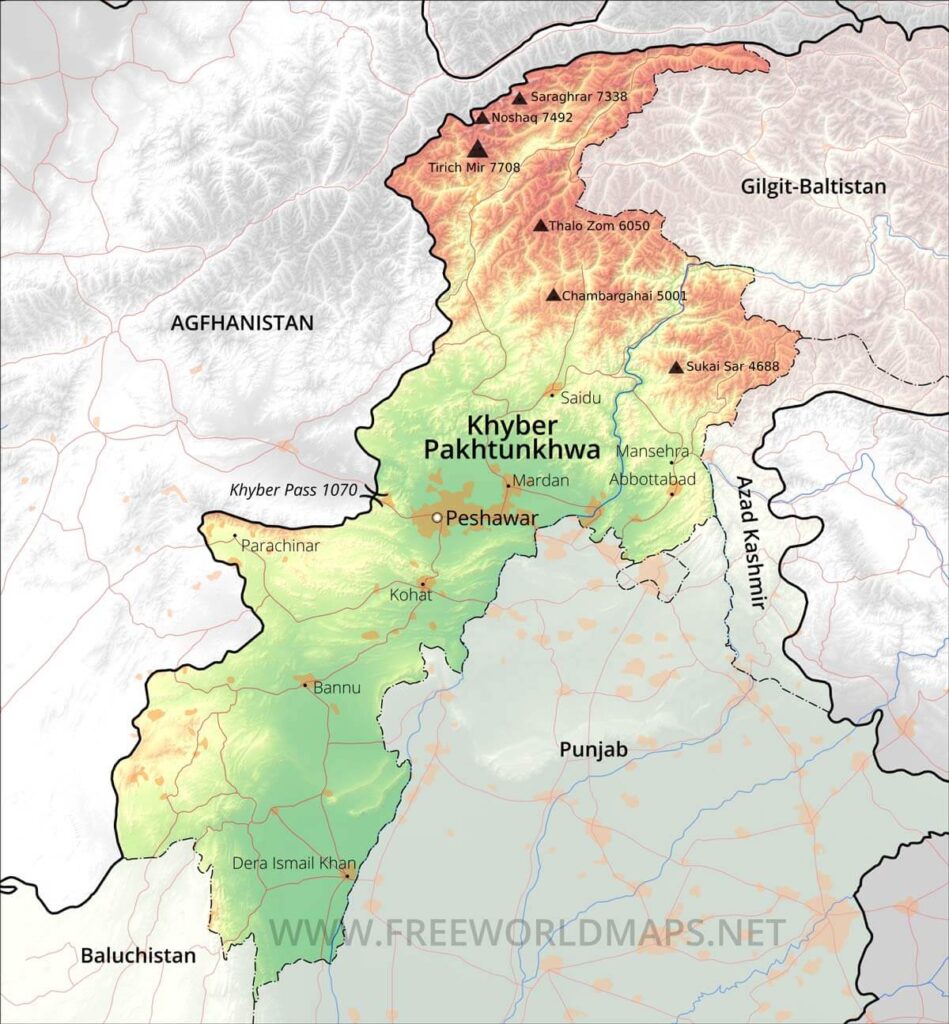
MalariaWorld this week reports a study ‘Determinants of malaria infection across different districts of Khyber Pakhtunkhwa, Pakistan: a cross-sectional study’ by Haq et al. The study highlights the multifactorial nature of malaria transmission in KP, Pakistan, with strong associations found between malaria infection and various determinants. Key risk factors identified include younger age, male gender, low educational attainment, low household income, large family size, distance from health facilities, poor housing construction, and lack of modern sanitation.
The study did find that preventive measures such as bed net use showed significance in bivariate analysis, but their independent effect was not retained in the final model. This is because it is often confounded with other factors related to poverty. The authors recommend comprehensive interventions beyond individual behaviour change. Policymakers and public health authorities should use these findings to inform district-level malaria control strategies, focusing on education, improved housing, access to healthcare, and sanitation.
Missing is any reference to nutrition despite the fact that the main author is in Department of Clinical Nutrition at the College of Applied Medical Sciences, King Faisal University, Al Ahsa, Saudi Arabia. And throughout there are several references to how the factors might be related to more or fewer mosquito bite opportunities.
However, the clear message of this study is that factors related to poverty – income, housing quality, quality of sanitation, and level of education are linked to greater occurrence of malaria.
This weekly column will also be promulgated on Facebook from now on in addition to usmalaria website, X and LinkedIn. Understanding Malaria has been established as a non-profit organization to raise money to fund research on malaria with emphasis on how the occurrence and severity of malaria can be reduced by improvements in nutrition and drinking water quality. Its main goal is to expand knowledge to reduce the burden of the disease particularly in Africa. I invite you all to assist.