Two studies in MalariaWorld this week, in Congo and Ghana, clearly suggest that poverty is the key factor linked to the occurrence of malaria in children < 5 years. And Klu et al in the Ghana study interestingly found that children who did not sleep under ITNs had lower odds of malaria (aOR = 0.52) compared to those who did. And drinking untreated water (aOR = 0.47) was associated with lower malaria risk.
‘Prevalence and factors associated with malaria among children aged 6–59 months in the Democratic Republic of the Congo: a nationwide cross-sectional survey’ by Adam et al in Malaria Journal studied a weighted sample of 10,013 children aged 6–59 months who underwent a malaria rapid diagnostic test, drawn from the 2023/24 DRC Demographic and Health Survey. It found an overall prevalence of malaria among children aged 6–59 months in the DRC was 33%, varying significantly between provinces, from 5% in Kinshasa to 61% in Bas-Uele province. Factors associated with malaria in this age group included children of mothers with no education (APR = 1.15) and those with primary education (APR = 1.13), children from the poor wealth quintile (APR = 1.52) and the middle wealth quintile (APR = 1.42), children who never slept under an insecticide-treated net (ITN) (APR = 1.18), children from households without a television (APR = 1.73), and those living in houses with unimproved floor material (APR = 1.54) or unimproved roof material (APR = 1.27).
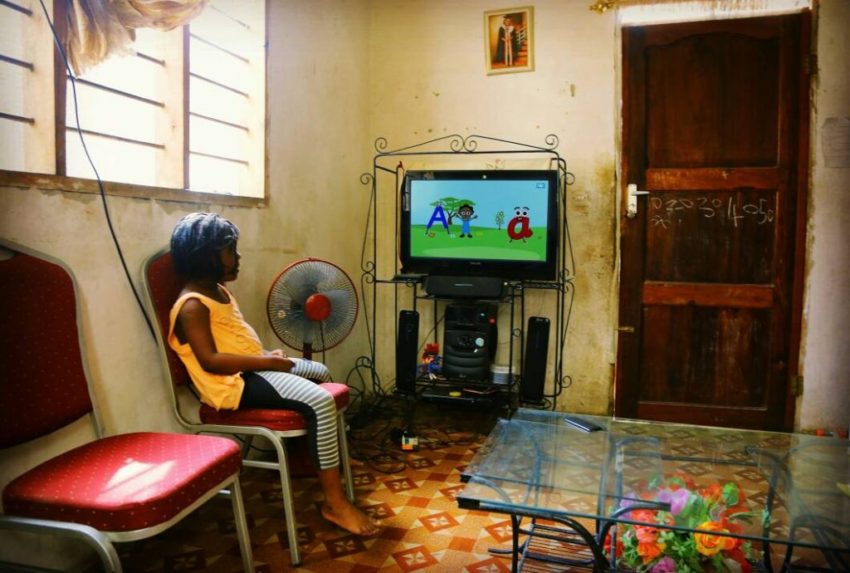
These factors clearly show the influence of poverty. Capital residents are wealthier, as are those with more education and those who can afford televisions and improved floor and roof materials. The authors make a big deal of the ITN results, but the 1.18 improvement is much less than 1.73 for televisions. I expect if malaria researchers could link televisions to mosquito elimination, they would be proposing TVs as a solution!
And this result is contradicted in ‘Household characteristics, water, sanitation and hygiene (WASH) and malaria prevalence among children aged 6–59 months in Ghana: an analysis of the 2022 Ghana Demographic and Health Survey’ by Klu et al also published in Malaria Journal. The study analyzed data from the 2022 Ghana Demographic and Health Survey (GDHS), using a weighted sample of 3,255 households with children aged 6–59 months. Malaria testing was performed with rapid diagnostic tests (RDTs).
The prevalence of malaria among children aged 6–59 months was much lower (3.7%). Insecticide-treated net (ITN) ownership was high (78.9%), but only 51.5% of children slept under ITNs. Approximately 41.5% of children were anaemic. In multivariate analysis, children in households headed by persons aged 40–59 years had lower odds of malaria compared to those in households headed by persons aged 70+. Children from wealthier households had significantly lower odds of malaria (aOR = 0.15). Unexpectedly, children who did not sleep under ITNs had lower odds of malaria (aOR = 0.52) compared to those who did. Anaemic children had more than twice the odds of malaria (aOR = 2.03) showing important of nutrition. Drinking untreated water (aOR = 0.47) and improved sanitation (aOR = 0.59) were associated with lower malaria risk, whereas having toilets located outside (aOR = 16.64) the dwelling was associated with higher odds of malaria.
Sanitation, nutrition and wealth are clearly important and the authors emphasise the need for targeted interventions in households with lower wealth and inadequate sanitation. They also, curiously, promote ITN distributions despite their finding.
(picture from ubongo.org)