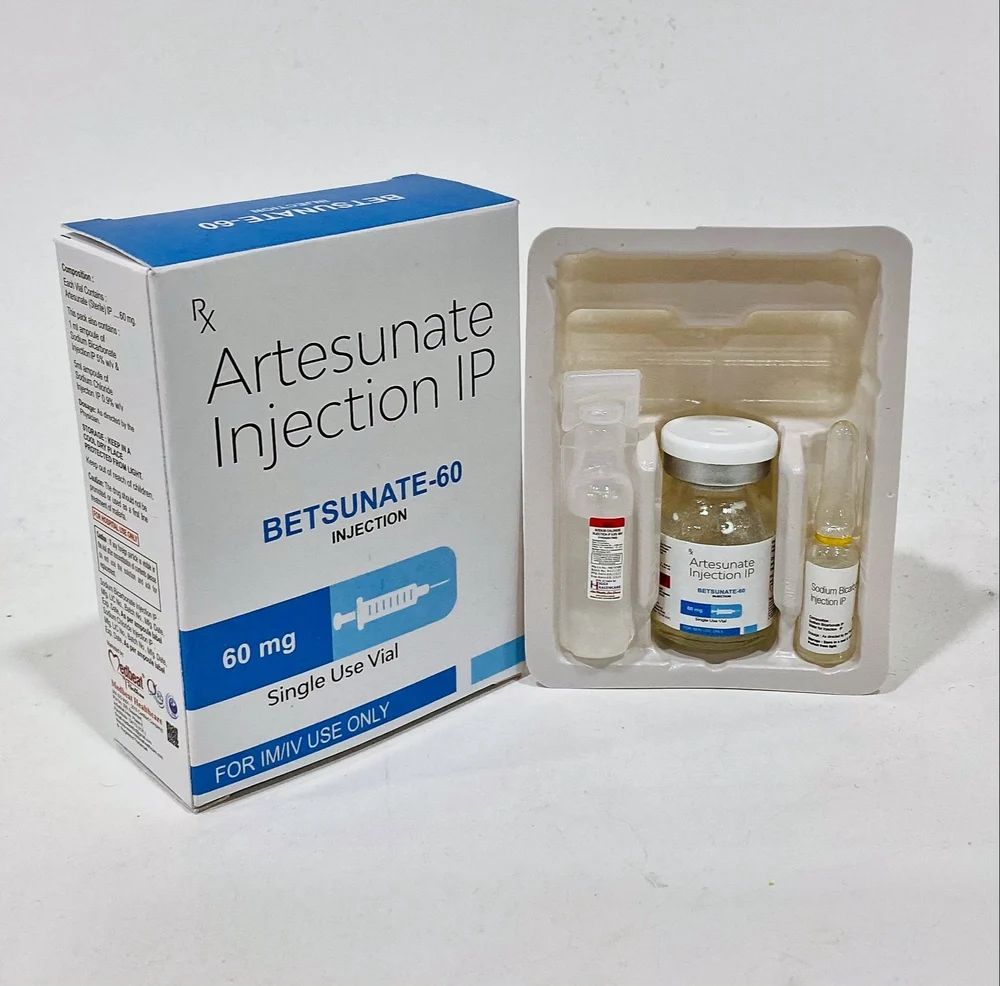
A theme in MalariaWorld this week is research questioning the effectiveness and/or safety of malaria drugs. The lead news article ‘Artemisinin resistance is rising in East Africa—leaving anti-malarials at risk of failure’. The medicalxpress article by Ryan O’Hare of Imperial College London, discussed a study, published in The Lancet Infectious Diseases, that maps the rise in artemisinin resistance in the region. They found that artemisinin partial resistance is now firmly established across most of Uganda and Rwanda and along the Ethiopia–Eritrea–Sudan border.
‘Survival differences and artemisinin resistance in severe malaria among HIV coinfected patients: data from Mozambique’ by de Sousa et al found that HIV positive patients have many risk factors for the development of parasite drug resistance.
‘Mapping the intellectual landscape of malaria drug repurposing: a systematic analysis of the 51 most cited studies’ by Tizhe et al examined studies of repurposing of anticancer agents, antivirals, and immunosuppressants because of the ‘escalating threat of Plasmodium falciparum resistance to artemisinin-based therapies.
‘Prevalence of antimalarial drug resistance markers and factors associated with Plasmodium falciparum infection in asymptomatic children prior to rectal artesunate implementation in Kapolowe Health District, Democratic Republic of the Congo’ by Luzolo Khote et al was carried out because concerns remain that its expanded use of rectal artesunate (RAS) followed by a full course of artemisinin-based combination therapy (ACT) may select for artemisinin-resistant Plasmodium falciparum strains.
‘Risk perceptions of high-dose primaquine and tafenoquine among Plasmodium vivax malaria stakeholders in Ethiopia: a qualitative study’ by Mwaura et al carried out a study because fears that novel regimens, such as 7-day high-dose primaquine regimen and single-dose tafenoquine, may improve treatment adherence and antirelapse effectiveness but can increase the risk of haemolysis in individuals with glucose-6-phosphate dehydrogenase deficiency. Fears of overdosing and drug-induced haemolysis also contributed to apprehension about the safety of these regimens.
‘Prevalence of molecular markers related to artemisinin partial resistance and ACT partner drug resistance in the Plasmodium falciparum population in Kongo Central, DRC’ by Stauning et al found potential marker of artemisinin partial resistance in 42% of the sequencing positive samples (PCR testing).
If you have any generic illness symptoms in a country with malaria, you will be tested for malaria by most clinics and hospitals using a Rapid Diagnostic test or microscopy if available. If positive you will be given a three-injection dose of an artesunate over 24 hours and a prescription for pills after that, or perhaps a course of treatment with novel drugs. There seems to be much doubt within the malaria research community about the effectiveness of such treatment.