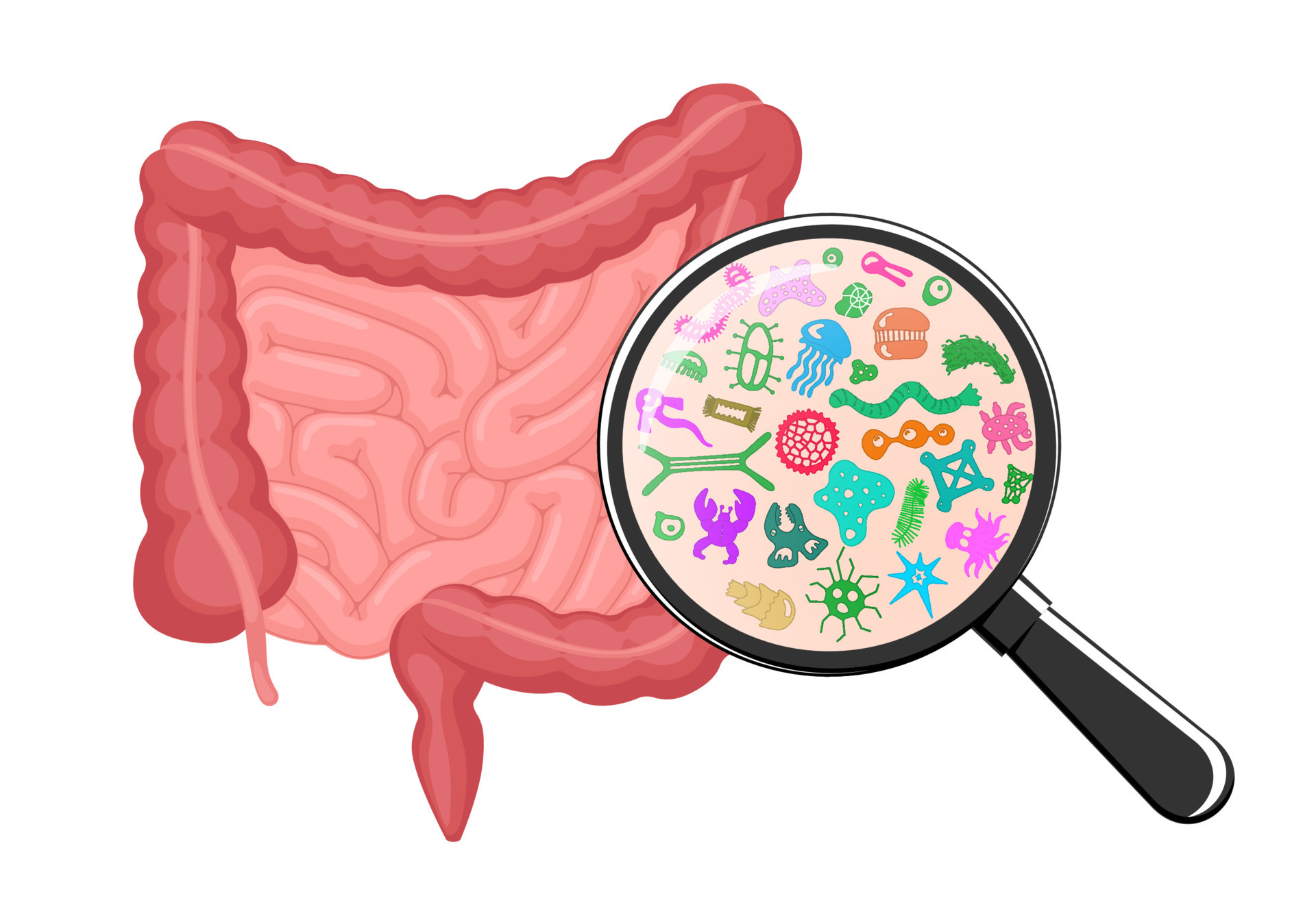
A study reported in MalariaWorld this week found a connection between gastrointestinal (GI) microbiome and protection against malaria. ‘Distinct gastrointestinal microbial signatures predict parasite levels in controlled Plasmodium infections in both rhesus macaques and humans’ by Gustin et al found that Rhesus macaques fed with a high protein diet were less susceptible to Plasmodium infections than macaques fed a high fibre diet.
In the experiments the animals were infected with Plasmodium fragile, which is similar to Plasmodium falciparum. To examine the effect of diet and microbiome on susceptibility to infection two different populations were kept in different houses and fed a diet either high in fibre or high in protein. Those fed the high protein diet experienced lower parasitemia.
The researchers also looked at 35 human subjects who were supposedly inoculated by infected mosquito bites but the study found no statistically significant results. The subjects were treated with Malarone and/or KAF156, a novel imidazolopiperazine class of antimalarial drugs, which was the main subject of the study.
This study is clearly based on belief in the hypothesis that malaria is a parasitic illness caused by Plasmodia spread by mosquitos. Nevertheless, it is interesting to note gut microbiome has a major effect with a high protein diet providing protection. The role of nutrition on susceptibility to malaria is evident.