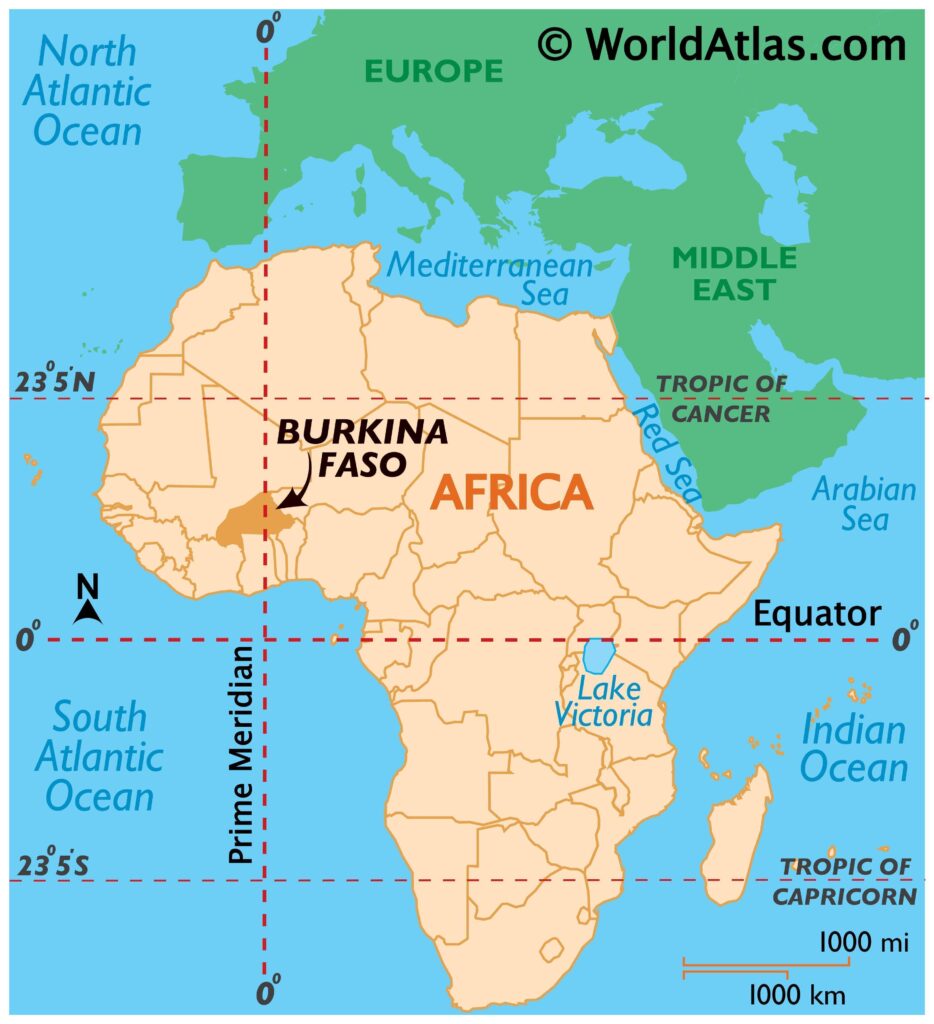
A study in MalariaWorld this week reported there was an increased risk of malaria infection in undernourished children compared to children with an adequate nutritional status. ‘Malaria and malnutrition in children under the Seasonal Malaria Chemoprevention (SMC) coverage in the health district of Nanoro, Burkina Faso’ by Compaore et al found that malnourished children were 1.41 times more likely to have an episode of clinical malaria than children with adequate nutritional status (ANS).
The authors state that only children of the control (no intervention) arms of two projects SMC-NUT and SMC-RST which started in July 2020 and up to July 2022 were considered for the investigation. Full details of these studies, which look at a combination of SMC (with Amodiaquine-Sulfadoxine-Pyrimethamine) and nutritional supplements will presumably be reported later.
At enrolment and during the monthly home visits or at any attendance at health facilities, weight, height and mid-upper arm circumference were measured and these data were used to determine nutritional status on a monthly basis over the study period using the WHO Anthro survey online tool with the input parameters (Age, sex, weight, and height). Participants were classified as stunting, wasting, and underweight. Undernutrition status was defined as participants having at least one of these indicators (stunting, wasting, and underweight), while adequate nutrition participants were those without any of these signs. To ensure the stability of the nutritional status classification, only children who had at least three consecutive visits and maintained the same nutritional status across those visits were included in the analysis.
Of the 425 included in the study a majority (61%) were considered malnourished. And there were 209 incidents of malaria in the 260 malnourished subjects (80%) compared to 90 of 165 (55%) of the supposedly adequately nourished children detected using rapid diagnostic tests. Malaria is clearly more common in children who the researchers considered malnourished. However, the incidence even in those considered adequately nourished is 55%. This is very high suggesting a high degree of poverty in the study areas. This causes one to question if even the minority who are considered adequately nourished are also malnourished, but less so. They are not yet stunting, wasting, or underweight.