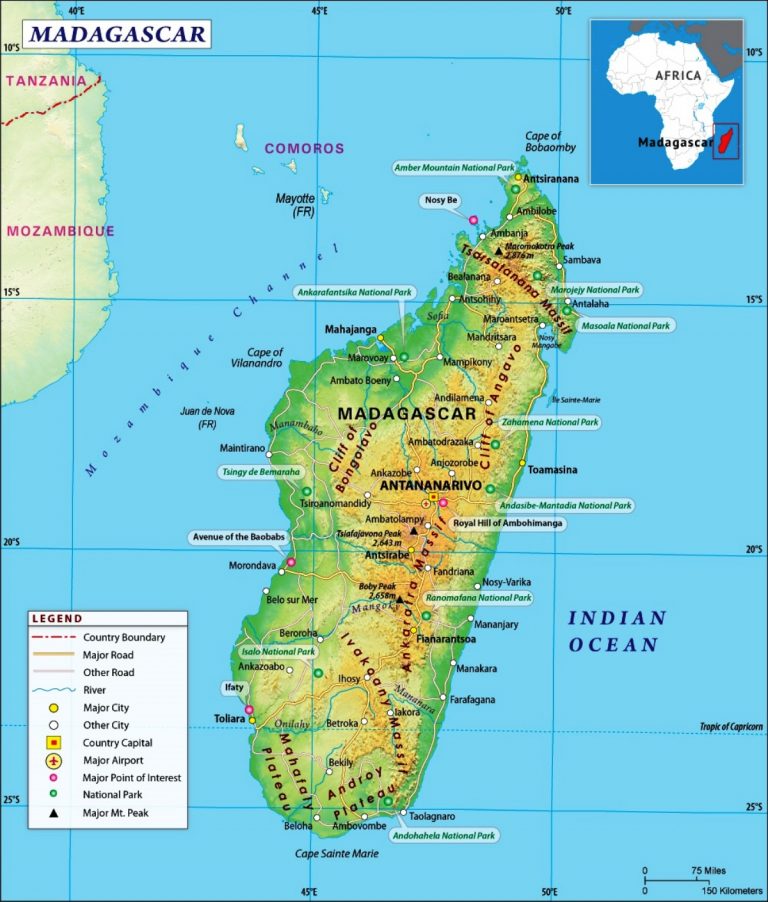
In MalariaWorld this week there is reference to a paper that links malaria with a deficiency of micronutrients. ‘Burden and co-occurrence of anemia, micronutrient deficiencies, inflammation, and malaria among women, adolescents, and children in Madagascar: a national cross-sectional survey’ by Rohner et al is published in The Journal of Nutrition. Unfortunately, the full article is behind a paywall but interesting details are presented in the available summary.
Venous blood and urine were analysed for malaria, anaemia, inflammation, iron, zinc, iodine, fluoride, vitamins A, D, and B12, folate, riboflavin, and thiamine biomarkers. Malaria was detected in 4% to 14% of participants, and inflammation in 21% to 46% of participants. Anaemia affected 42% of PSC (preschool children) and about one-third of the older groups. Iron deficiency was most common in PSC (26%) and less frequent in adolescents and women (6%–16%). Zinc deficiency affected one-third of all groups. Riboflavin deficiency was highly prevalent, affecting 75% of PSC and nearly 90% of older groups. Vitamin A deficiency prevalence was 12% among PSC but rare in older groups, while folate deficiency affected 12% of adolescent girls and 21% of non-pregnant women. Other deficiencies were uncommon (iodine, vitamins B12 and D, and thiamine).
Micronutrient (MN) supplementation was considered in the article. Clearly many in Madagascar and elsewhere in Sub-Saharan Africa have a diet insufficient in nutrients and the level of anaemia is a notable marker. Madagascar faces very high rates of stunting and wasting, which are believed to be compounded by widespread deficiencies in zinc, iron, vitamin A, iodine, and other MNs. The authors consider malaria and inflammation as contributors to anaemia in Madagascar rather than as symptoms of malnutrition, with recent national surveys reporting persistent malaria transmission.
The bottom line is that the Plasmodia, considered the malaria parasites, and Anopheles mosquitos, considered their vector, remain present in countries without malaria. The main difference is that these countries do not have high incidence of malnutrition. Malaria disappeared when living standards improved. The same will happen when living standards improve in Madagascar and the rest of Sub-Saharan Africa where malaria remains a scourge.
Pingback: Nutrition and Malaria – Understanding Malaria