Malaria. What ‘The Flu’ is Called in Africa

In my LinkedIn feed this week there was a posting by Nigerian pharmacy assistant Precious Ugwa about undiagnosed customers requesting malaria treatments. This reminded me of the impression I got in Kenya that when people are ill, the first illness they suspect is malaria. One time when I was unwell my friend was encouraging me to go to a hospital. I refused to go immediately, but did agree to go in a day or two if my health did not improve. I fasted and drank plenty of water and quickly recovered.

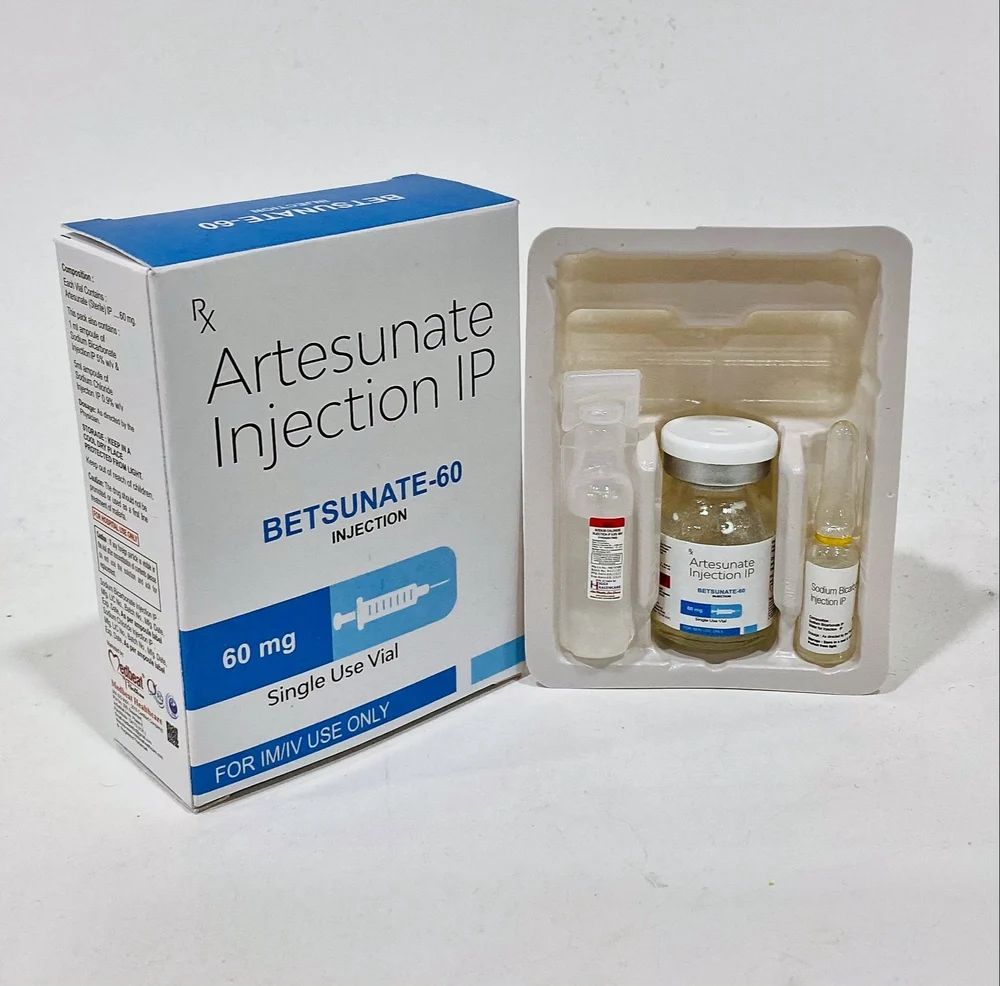
If I had gone to the hospital, no matter what the symptoms were, I know the first thing I would be tested for is malaria. Possibly by a microscopic examination of my blood, but more likely using a RDT (rapid diagnostic test). And the result would a lottery, not unlike the COVID19 testing that was so common in 2020. I did not think that a course of artesunate injections and a follow up course of tablets, probably another artemisinin combination therapy was going to do anything good for me.

It struck me that in countries with malaria, many people think of malaria in the same way as ‘the flu’, ‘a bug’, ‘a virus’, (or COVID19 in 2020-2022), are thought of in western countries. And many people suffering from such a self-diagnosed malady will go to a pharmacy to buy various treatments. In many cases they will try their best to get anti-biotics, convinced that these potent pills are needed for their condition even though doctors will always say they don’t work on viruses.

Of course, it is doubtful that any of these treatments will cure their illness, but the power of the placebo effect and suppression of symptoms may convince them that it has.

Illness is nearly always caused by lifestyle factors. Malnutrition, both lack of food and too much of the wrong foods and drinks, lack of sleep, lack of sunshine and fresh air, stress from workplace and personal problems. People get generic symptoms – fever, headaches, other pains and aches, vomiting, diarrhoea, tiredness, etc, and are convinced that they caught a bug or malaria. Perhaps a test will confirm this diagnosis.

But the best cure is to get rid of whatever lifestyle factor caused the issue in the first place. Fasting and water are good for too much of the wrong food. Rest and relaxation will help in most cases. Unfortunately, most serious malaria cases are malnourished and may not have access to safe water. Their serious illness is a result of their poverty so a quick cure is less likely.

Mosquirix™ Vaccine Performance Underwhelming in Manufacturer Sponsored Study

In MalariaWorld this week there is a link to CBC Youtube Video entitled ‘Malaria vaccine rollout undercut by losses to global health funding’. The highlight of the video is a recent study that found that children who received three doses of Mosquirix™ (RTS,S/AS01) manufactured by GSK (Glaxo Smith Kline) were less likely to suffer from severe malaria.

The study ‘Effectiveness of the RTS,S/AS01(E) malaria vaccine in a real-world setting over 1 year of follow-up after the three-dose primary schedule: an interim analysis of a phase 4 study in Ghana, Kenya, and Malawi’ by Ndeketa et al was featured on MalariaWorld. It was published in Lancet in November 2025 and is also available to download there.

The headline results of this GSK sponsored study are that comparing vaccinated children from exposed clusters with unvaccinated children from unexposed clusters, country-adjusted incidence rate ratios were 0·70 (95% CI 0·67–0·73; p<0·001) for any malaria, 0·42 (0·30–0·60; p<0·001) for severe malaria, 0·64 (0·56–0·72; p<0·001) for malaria-related hospitalisations, 0·79 (0·74–0·84; p<0·001) for all-cause hospitalisations, and 0·83 (0·64–1·09; p=0·18) for all-cause mortality. The adjusted odds ratio for the prevalence of anaemia among children who were hospitalised (vaccinated children from exposed clusters vs unvaccinated children from unexposed clusters) was 0·81 (95% CI 0·73–0·90; p<0·001).

I always understood that a vaccine was supposed to make if very unlikely one would get the target disease. This reported result states that a vaccine recipient is still 70% as likely to get the disease as one who doesn’t. Is this reduction worthwhile? Note that the all-cause mortality improvement is not statistically significant. This means that the study did not statistically prove that vaccine recipients were less likely to die.

But this is a study paid for by the manufacturer. And of course, their paid scribes ignore the statistical uncertainty and interpret thus ‘These findings reinforce the continued use of RTS,S/AS01E vaccination in children as an effective public health measure to reduce malaria-related illness and mortality in endemic regions’.

However, now after all the COVID vaccine controversies many of us are aware that vaccine studies are often manipulated to benefit the sponsor, and I suspect this study is no different. The usual approach is to selectively exclude inconvenient subjects from the study. In this 20% of the 22,564 subjects in the six vaccinated clusters were excluded from the follow up and 5% of the unvaccinated. Many of of the exclusions were because the subject had not received three doses. Perhaps many of these suffered adverse reactions after the first or second dose. These would have been many of the weaker children of this cohort and their exclusion could significantly skew the results.

Malaria. A Playground for New Technology Development

A recent story in Techpoint Africa is a good example of how the scourge of malaria is used to justify new technologies. ‘Sora raises $2.5 million additional seed to eradicate malaria in Africa with AI-powered drones’ by Bolu Abiodun discusses the fundraising by Japanese start-up Sora Technology, that uses drones (see picture) and artificial intelligence to fight infectious diseases, mainly malaria.

Through its flagship initiative, SORA Malaria Control, the company combines satellite data, drones, and AI models to predict outbreaks, analyse environments, and deploy targeted vector control interventions. The company uses AI to find and map mosquito breeding sites while also ranking which ones pose the highest risk. It is active in many African nations including Ghana, Sierra Leone, Benin, the Democratic Republic of Congo, Senegal, Kenya, and Mozambique. The fresh capital will be used to advance Sora’s AI-powered disease prediction tools, team expansion, and strengthen partnerships with governments and international health institutions. Sora has partnered with the World Health Organisation to support sustainable malaria control efforts in Mozambique.

And this week in MalariaWorld there are descriptions of many other projects linking funding to malaria and novel research and technologies. There is research linking malaria vaccines to Parkinson’s disease progression, $7M Gates support of more vaccine development, in-silico studies of Plasmodia invading erythrocytes, Automated microscopy for malaria diagnosis in a reference laboratory in nonendemic settings, Housing modifications for heat adaptation, thermal comfort and malaria vector control in rural African settlements, as well as he usual drug testing and other research studies.

There is one study looking at nutrition. ‘Essential Trace Elements and Their Impact on Immune Response and Disease Severity in Malaria Infection: A Systematic Review’ by Hanifian et al found that across human and experimental studies, malaria infection was consistently associated with reduced serum concentrations of iron, zinc, and magnesium. The full study is behind a paywall but in the abstract it is stated that zinc supplementation improved micronutrient status but showed limited impact on malaria incidence. They also found that plasma levels of sodium, magnesium, calcium, and zinc were significantly reduced in malaria patients.

Malaria is a disease of poverty and it is clear that malnutrition plays an important role in its occurrence and severity. This, rather than novel technologies, is the area where research will have the greatest impact at actually reducing the burden of the illness.

Access to Clean Water and Adequate Sanitation is Strongly Associated with Lower Malaria Incidence

In MalariaWorld this week there is reference to the major public health challenge of Malaria in sub-Saharan Africa, and how its burden may be influenced by access to clean water, sanitation, and childhood vitamin A supplementation. ‘Investigating the relationship between malaria incidence and public health infrastructure in sub-Saharan Africa’ by Shin is in publication by Malaria Journal. Country-level data from global health databases were analysed using nonparametric statistical tests and machine learning models to assess differences in malaria incidence across categories of water and sanitation access.

Significant differences in malaria incidence were found across water and sanitation access groups, with the lowest access groups consistently exhibiting the highest incidence. Vitamin A supplementation showed statistically significant group differences, though effect sizes were generally small.

The WHO/UNICEF Joint Monitoring Programme (JMP) for Water Supply, Sanitation and Hygiene. Two variables were used to represent water supply access: (1) safely managed water supply and (2) least basic water supply. Two variables were used to represent access to sanitation services: (1) safely managed sanitation services and (2) least basic sanitation services.

Safely managed water supply refers to drinking water from an improved source that is accessible on premises, available when needed, and free from faecal and priority chemical contamination. Examples include piped water, boreholes or tubewells, protected dug wells, protected springs, and packaged or delivered water. The least basic category also includes sources with collection times of no more than 30 minutes round-trip, focusing on accessibility.

Safely managed sanitation services include improved facilities not shared with other households and where excreta are safely disposed of or treated off-site. The least basic category also includes basic services (improved facilities not shared with other households but without requiring safe disposal of excreta).

The initial dataset included a comprehensive table of malaria incidence and predictor variables for sub-Saharan African countries over the 2014 2022 period. Malaria incidence was categorised as Rare, Moderate Low, Moderate High and High. The full detailed statistical analysis is in the paper.

The author concluded that access to clean water and adequate sanitation is strongly associated with lower malaria incidence, underscoring their importance in malaria control efforts. While vitamin A supplementation shows weaker associations, it may still interact with broader health conditions.

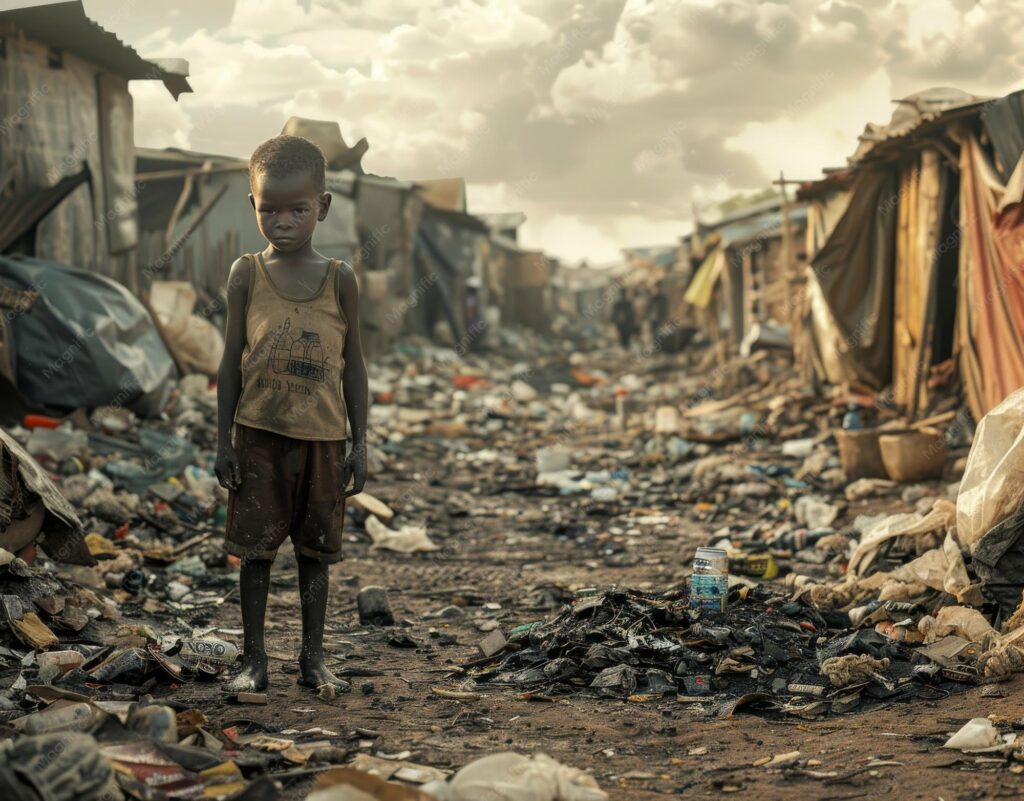
(image from dreamstime)

Co-occurrence of Malaria and Anaemia in Children under Five in Ghana

In MalariaWorld this week there is reference to a publication preprint in BMC Pediatrics ‘The double burden: co-occurrence of malaria and anaemia in children under five in Ghana – a multilevel mixed-effects logistic regression analysis’ by Karikari et al. The study utilised data from the 2022 Ghana Demographic and Health Survey to assess the co-occurrence of malaria and anaemia in young children and found a significant number (6.4%)  with the double burden of both conditions.

What is most notable is how serious a public health burden anaemia is – 49% of children under five in Ghana in the survey were found to be anaemic. Malaria was detected by microscopy in 8.1%. It is quite clear that the majority of these are also anaemic, those to whom the authors refer as double burdened.

It is quite clear from other results of the survey that this double burden is linked to poverty with the poorest households most likely to experience the double burden. However, this study and other studies report that prevalence of anaemia in Ghana and other African nations often exceeds 50% for this age cohort, e.g. 70.8% in Liberia and 72.9% in Mozambique. This clearly includes many more than the poorest children.

While the authors report that malaria occurrence has been falling it still seems to be linked to malnutrition. They recommend that anaemia be treated as a significant public health priority. They recommend interventions such as iron-folic acid supplementation, routine deworming, nutrition counselling, and screening for haemoglobinopathies.

It seems very clear from this and other studies that prioritizing improvements in nutrition for under fives other age groups is key to improving overall health. This will inevitably reduce and eventually eliminate the burden of malaria. I agree with the authors’ recommendation of education on basic nutrition.

Support to help people, especially the poorest, to obtain and eat better food is required most of all. Perhaps more people could be encouraged to raise chickens for eggs and meat. Such programs would have far more beneficial effects than the current medical intervention approach to malaria and other ailments of poverty and malnutrition.

Is Malaria a Parasitic Illness?

In MalariaWorld this week there is a news story about an evolutionary model that examines the tradeoffs that limit harm caused by the malaria parasite. An article in phys org discusses the paper ‘Immunity can impose a reproduction–survival tradeoff on human malaria parasites’ by Patterson et al published in the journal, Evolution.

The long modelling article reaches the conclusion that pathogenic organisms themselves can be subject to a reproduction–survival tradeoff due to pressure from the immune system. This conclusion invites further examination of the germ theory/terrain theory debate from late 19th century France between Louis Pasteur (died 1895 aged 72) and Antoine Béchamp (died 1908 aged 91).

Pasteur is regarded as one of the fathers of the germ theory of diseases and conducted experiments that demonstrated that diseases could be prevented by killing or stopping germs.

Béchamp contended that bacteria could not invade a healthy animal and cause disease. He claimed instead that unfavorable host and environmental conditions destabilize the host’s native microzymas (tiny enzymes) and decompose host tissue by producing pathogenic bacteria.

The medical establishment embraced germ theory and discredits alternative approaches. However, the concept of immunity had to be developed to explain why exposure to germs is not always a cause of illness.

Which brings us back to malaria. I have seen some lists that discuss parasitic illnesses and ignore malaria. Others include it and explain that the tiny protozoa, whose presence indicates malaria, is not a bacterium or virus.  

But are these protozoa the cause of illness or a reaction to illness? This in a nutshell is the essential germ theory/terrain theory debate applied to malaria. Proponents of terrain theory contend that the protozoa are present in most people. If they are healthy Protozoa are present in very low numbers and are not detectable by microscopy. But if they are in poor health due to poor nutrition or poisoning many cells die. These dead cells are then consumed by the protozoa, which multiply and become easily visible. They act as a cleanup crew to remove the dying cells. Malaria is an illness of poverty and its most seriously affects malnourished children in Africa.

If you are healthy you resist illness so exposure to microbes does not affect you. Even Pasteur on his death bed is supposed to have said “le terrain est tout, le microbe n’est rien” (The terrain is everything, the microbe is nothing).

Merry Christmas and a Happy and Prosperous New Year to all readers.

(Image of Protozoa from ‘Studi di uno zoologo sulla malaria’ by J Battista Grassi. Translation available on usmalaria website).  

Innovative Bug Hunting in Tanzania

Two research studies on novel bug hunting were reported this week. Large scale larviciding in Tanga region was reported in MalariaWorld. And genetically modified mosquitos developed in Tanzania were reported by ‘The Multilateral Initiative on Malaria Society’ on LinkedIn.

A large-scale mosquito larviciding in Tanga Region, Tanzania, reduced mosquito densities to varying degrees across malaria transmission risk strata’ by Gavana et al was published online by Nature.  The large-scale pilot study in Tanga Region from June 2022 to April 2024 targeted three councils representing high, moderate, and low malaria epidemiological risk strata. Six rounds of larvicide application were conducted, each lasting eight weeks and scheduled according to local rainfall patterns. The outcomes examined were Larval density, adult mosquito abundance, human biting rate, sporozoite rate (in Mosquitos) and the entomological inoculation rate (the number of infectious bites a person receives).

The authors conclude that the study provides evidence that the larviciding intervention in Tanga Region contributed to reductions in late-stage mosquito larvae and adult An. gambiae s.l. and Culex populations in moderate and low-risk areas. However, the intervention was not associated with any reductions in Anopheles mosquitoes in the high-risk strata and generally there was no effect on An. funestus populations, which may limit its overall impact on malaria transmission.

The authors state that the larvicides used, Bactivec® and Griselesf®, are safe to non-target organisms. They report no data with respect to the occurrence of malaria.

The second novel research topic, gene drive mosquitos, was addressed here on August16, August 29, and August 18, 2024. I remain sceptical that such ‘Frankenstein’ creatures would survive in the wild against their evolved cousins. The LinkedIn post states that the research was published in Nature but provides no link. It is the first time a gene drive-compatible mosquito strain has been created in Africa, by African scientists.

The team from Tanzania’s Ifakara Health Institute (IHI) and National Institute for Medical Research (NIMR), partnering with Swiss TPH and Imperial College London through the Transmission Zero program, genetically modified Anopheles gambiae mosquitos to prevent Plasmodium falciparum parasites from developing. Using antimalarial traits from naturally occurring molecules in frogs and honeybees, the modified mosquitos create a biological barrier to transmission that passes from generation to generation.

The research was conducted in a state-of-the-art Containment Level 3 facility at IHI’s campus, meeting rigorous biosafety standards. Before field trials, comprehensive risk assessments, regulatory engagement, community consultation, and resistance monitoring are required.

Low Uptake of R21 Vaccine in Uganda

NTV Uganda reports that health workers are concerned about low uptake of malaria vaccine (reported in MalariaWorld).  In the report, available on YouTube, Dr Myers Lugemwa, head of the Malaria Control Programme at the Health Ministry, attributes the low turnout for the vaccine to a lack of public awareness.

Dr Lugemwa reported that when launched in April there was 80% uptake of first dose. This fell to 65% for the second dose in May and fell to a worryingly low level by dose three. He complained that the vaccine had cost $2-4 per dose and it was a waste that people were not taking it.

Perhaps the parents of the children dosed had reasons not to go back for the later doses of the R21 four dose regime. The vaccination scheme was launched by the Ugandan government with the Gates foundation earlier this year. In one of the first Understanding Malaria columns it was reported that R21 Vaccine is less toxic and ineffective than a Rabies Vaccine. R21 was not tested against a true placebo. Perhaps many of the recipients of the vaccine suffered side effects and for this reason their mothers did not bring them back for more?

AI and Malaria Research

The hype about Artificial Intelligence (AI) is everywhere, so it is no surprise that AI is referenced with respect to malaria research. In MalariaWorld this week there is a link to a blog post ‘Can AI Democratize the Global Fight Against Malaria?’ in Health Policy Watch. The post is a conversation with Jeremy Burrows, Medicines for Malaria Venture (MMV) vice president, and the focus of the post is on drug discovery. Burrows explains how a new open-access, AI-powered drug discovery tool co-developed by MMV aims to level the playing field.

Burrows states that in the early stages of drug discovery AI can play a major role in terms of helping to identify new starting points, optimize these molecules toward candidate drugs, and then actually profile these compounds to ultimately be the medicines of the future. They modelled data and created an open-access machine learning model malaria inhibitor prediction platform (MAIP), available for free. Anyone can go there, enter a virtual chemical structure, and receive a prediction of whether that compound is likely to be active against malaria.

MMV is working with the Gates Foundation and a London-based company called deepmirror to deliver a tool called Drug Design for Global Health (referred to as dd4gh). This tool will be delivered in March 2026 and will be available for free only for scientists working in global health. He states that the dd4gh model is democratizing AI for scientists in lower- and middle-income countries to fight malaria (dd4gh learning loop in figure). African scientists will be able to access the tool.

Burrows also states that the future of AI is promising but requires a healthy degree of scepticism. While there are many bold claims, it’s essential to validate new models and understand their limits. Human oversight remains critical. AI should be used as a tool to enhance, not replace, human judgment.

On this point I agree. More critical human oversight of the supposed effects of malaria drugs, and indeed the causes of malaria, is needed. AI is only based on the inputs (garbage in, garbage out?) and if the inputs are that drugs are effective against malaria, as they would be from an organisation such as MMV, the outputs are going to be the same.

Reality is that which, when you stop believing in it, doesn’t go away

One of the most profound statements I know is by Science Fiction writer, Philip K Dick, best known for Bladerunner. In his 1978 essay ‘How to Build a Universe That Doesn’t Fall  Apart Two Days Later’ Dick said “One day a girl college student in Canada asked me to define reality for her, for a paper she was writing for her philosophy class. She wanted a one-sentence answer. I thought about it and finally said, “Reality is that which, when you stop believing in it, doesn’t go away.

What is of most interest to me is its converse – An unreality is that which, when you stop believing in it, goes away. Several major topics come to mind which I will discuss later.

I have always been interested in research and invention. I completed degrees – Bachelors, Masters and PhD in Chemical Engineering. But at the end of my PhD I realised that scientific research for its own sake did not seem possible to me at that time. Modern scientific research is no longer the realm, as it was up to the 19th century, of gentleman scientists with independent means studying topics of interest to them. Most R&D is funded by private businesses or government research programmes and these funders want results that will benefit their financial or policy interests. The researcher is no longer independent. Junior professors at research universities spend most of their time writing grant proposals to try and interest these funders.

I preferred to work in industry, where at least the motivation was to improve production process to make a profit. Now as I get older and more financially secure, I find myself drawn to topics that interest me. And what interests me most are topics where establishment interests are promoting scientific hypotheses that don’t ring true.

The first topic to attract my interest in early 2000s was global warming. At first, I had no reason to disbelieve the catastrophe narrative. But my scientific interest, and knowledge of the core subjects of chemical engineering, heat and mass transfer, encouraged me to investigate the science behind the catastrophe theory. I soon found that doubling the concentration of carbon dioxide in the atmosphere would cause no more than 1°C of warming based on heat and mass transfer principles. This small temperature increase was generally agreed to be beneficial rather than harmful. I immediately started to tell everyone not to worry. But I got strange reactions, like that of a former engineering class colleague who questioned my religion! Wasn’t this a scientific topic?

In 2007 the UK Channel 4 TV documentary ‘The Great Global Warming Swindle’ debunked the global warming hypothesis and the Gore film from the previous year. After that, the ruling oligarchs through their control of governments and mainstream media made sure that from then on ‘The Science’ was never again allowed to be questioned in mainstream media. I watched on in disbelief as governments ruined their countries’ economies by implementing costly green energy policies based on a big lie. Sceptics were systematically ignored. Only the oligarchs’ current desire for cheap energy to power AI is likely to end these costly policies.

And in March 2020, COVID19 struck. At first my disbelief was that governments all over the worlds enacted excessive lockdown policies for a cold virus with cruel police state enthusiasm. This hadn’t happened for more serious influenza epidemics in 1950s and 60s. But as the scamdemic continued into 2021, I researched deeper and deeper. Reading the revised edition of ‘Virus Mania’ by Engelbrecht et al was my ‘red pill’. Not only was COVID19 unreal, but also all other viral illnesses. AIDS is not sexually transmitted. Polio probably caused by poison, etc, etc.

This new understanding of the frailties of germ theory made me question other illnesses. In 2022 I travelled to sub-Saharan Africa and my travelling companion asked me to get malaria tablets. I investigated the various options and found the efficacy of all questionable. I did not get the tablets and did not contract malaria.

This sent me on my new research quest. I found that very little had been written questioning the mosquito plasmodium transmission story. If you think about this logically, it seems very unlikely that a mosquito feeding on blood could transmit the sufficient number of plasmodia back to its salivary glands and into a new victim to transmit disease.

So, I researched and wrote the book ‘Malaria is spread by mosquitos?’. This included translating from Italian into English for the first time Battista Grassi’s 1901 ‘studi di uno zoologo sulla malaria’ (Studies of a Zoologist about malaria). Why hadn’t this work, so often cited as proof that malaria is spread by mosquitos, been translated before? It is far from convincing as Grassi clearly suffered from confirmation bias in his research on this topic.

Each week I write a blog article on malaria research in the blog at usmalaria dot com website and in the Understanding Malaria LinkedIn group. And I peruse whatever else comes up in my LinkedIn feed. And most people seem to believe in catastrophic climate change and the Vs of germ theory, viruses and vaccines. I posted a response to a post boasting about a teenage boy getting the HPV vaccine which is supposed to prevent cervical cancer. Boys don’t have a cervix. The discussion continued for a while and based on the responses and the likes they received from others it was clear that no evidence I presented was going to the minds of these people.

Many people have strong religious beliefs, and curiously, unquestioning faith in the religion’s dogma is praised by many. I recently came across a video that told me that there is scant evidence that the central figure of my religion even existed. But I know better than to get into a discussion with a religious person on this topic.

But the same kind of faith seems to apply to many supposedly scientific theories. The mantra ‘Believe the science’ highlights this. The scientific method is supposed to be sceptical. Whether it is germ theory or global warming, many want to believe. And they use language typically used for religious heretics to attack sceptics.

To come back to Mr Dick’s profound words, it seems strange to me that so many people accept realities that objective examination would cause to go away. I now realise that I have to accept the reality that the majority of people want to believe easily falsifiable untrue hypotheses about science, politics and religion. The majority wants to support evil policies and regimes if told they are good by the ruling classes. If I chose to believe that all people are openminded and not afraid of examining their beliefs, that would not change this reality. We red pillers will always be a small minority and unfortunately we need to accept this reality.